
A real wake-up call occurs when you find a bruise on your parent’s arm that they cannot explain, or when you realize they have stopped visiting their social clubs. It is usually a series of quiet moments like these that show living alone is not working for your loved ones anymore.
You probably feel pulled between wanting to respect their independence and knowing they need a safer environment to actually enjoy their days.
This post explores what a senior living community is and how these communities address your practical concerns by combining personal freedom with professional support.
What is a Senior Living Community?
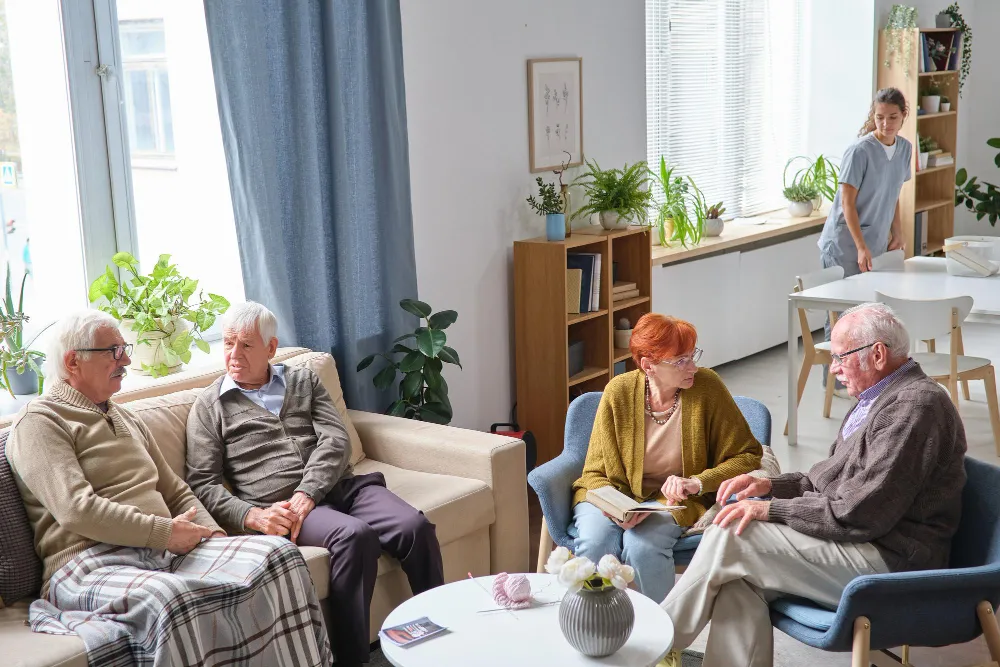
A senior living community is a residential setting designed for older adults who live around people of their own age. It is a managed environment that adapts as the resident’s needs change.
These communities focus on a lifestyle that gives residents their own private space but keeps a strong support system always available.
The main goal of senior living communities is to get rid of the constant stress that comes with managing a traditional home.
In senior living communities, your elders do not have to worry about:
- Steep stairs
- Mowing the lawn
- Grocery shopping
- Managing Medicines
- Quiet loneliness and more.
Instead, the focus moves to having a fulfilling life and getting help the second it is needed.
Different Types of Senior Living Communities
Every person has a different situation, so you must look at the specific types of communities out there as per your needs.
Understanding these types will help you match the right level of care for your loved ones:
Independent Living for Active Seniors
This option works best for people who can take care of themselves but are tired of the management that comes with owning a home.
Residents live in their own apartments or small houses and can gather with others at any time to enjoy group dinners and planned trips without the hassle of chores.
Assisted Living for Daily Support
Assisted living is the middle ground between living completely independently and requiring full-time medical care. It is suitable for seniors who want to live in a homey environment but need a hand with things like:
- Getting dressed
- Taking a shower
- Keeping track of their pills.
Memory Care for Cognitive Support
These are secure buildings made specifically for people dealing with Alzheimer’s or other forms of dementia. The staff has special training to help with the confusion and wandering that often happens with memory loss.
Skilled Nursing and Medical Care Options
These facilities, often called nursing homes, provide medical care around the clock. This option is the right move for seniors who have serious health conditions or are trying to get back on their feet after a major surgery.
Continuing Care Retirement Communities
These are large campuses that have every level of care in one spot. A senior can move in when healthy and stay in the same community, even if they later need much more medical care.
What Services and Amenities Do Senior Living Communities Offer?
When you look beyond the housing, you will see that senior living communities do a lot to keep daily life running smoothly. Here are the most common services and amenities that help residents stay comfortable:
- Three fresh meals are prepared and served every day in a shared dining area.
- Regular housekeeping and deep cleaning
- Laundry services for both personal clothes and bed linens.
- Vans or buses to take people to the doctor, the pharmacy, or the grocery store.
- On-site spots to get a haircut or a shave without leaving the building.
- Gyms and classes like seated stretching or water aerobics to help them stay moving.
- Calendars packed with movie nights and holiday parties
- Alert buttons and pull cords in every room so help is only seconds away.
What Makes Senior Living Communities So Helpful

Making the move to a senior living community becomes a source of happiness for both the senior and the family members looking after them. Here are the main reasons why this transition makes life better.
A Safer Living Environment
Houses that were fine years ago can become a maze of trip hazards for an older person. Things like loose rugs, high tubs, and stairs are dangerous.
Senior communities are built from the ground up with:
- Grab bars
- Wide doorways
- Walk-in showers
- Non-slip flooring
- Well-lit hallways and common spaces
Such a layout prevents many accidents before they happen.
More Social Connection and Activities
Being lonely is a massive health risk for seniors and can cause depression or physical decline.
Living in a community means all the friends are right down the hall. Having a group to eat breakfast with or people to play cards with keeps your loved ones’ minds busy and their spirits much higher.
No More Home Maintenance Stress
Trying to fix a leaky pipe or clean out gutters is a dangerous and exhausting task for a senior. In a community, the resident never has to touch a tool.
This freedom lets them spend their energy on things they actually like doing instead of worrying about home repairs.
Reliable Support When You Need It Most
Knowing that a professional is always in the building changes the way you sleep at night. If a senior suddenly feels sick or has a small fall, they do not have to wait for someone to answer their phone. Help is available at the push of a button at any hour of the day or night.
A More Comfortable Everyday Lifestyle
Life becomes easier for elderly people when the difficult routine tasks are handled for them, such as the following:
- Good food is ready when they are.
- The trash is picked up on time.
- Medicines are given on schedule.
This level of service lets seniors focus on their health and enjoy a more relaxed lifestyle.
What is the Cost of Senior Living Communities?
The cost of senior living in the United States varies based on the level of care and services included. Independent living is the most affordable option, while memory care and skilled nursing are higher due to specialized support and medical care.
Here is a simple breakdown to help you understand the average monthly costs:
Type of Senior Living | Typical Monthly Cost |
Independent Living | $2,000 – $4,000 |
Assisted Living | $4,000 – $7,000 |
Memory Care | $5,000 – $9,000 |
Skilled Nursing (Nursing Home) | $7,000 – $10,000+ |
Continuing Care Retirement Communities (CCRCs) | $3,000 – $6,000+ (plus entrance fees in many cases) |
What is the Difference Between Home Care and Senior Living Communities?
Home care is when a worker comes to a senior’s house for a few hours to provide the specific help they need.
On the other hand, senior living is when the senior moves into a place where help is available on-site and built into daily living.
Look at this table to see a side-by-side comparison of how these services stack up:
Feature | Home Care | Senior Living Community |
Where They Live | The senior stays in their own house. | They move to a managed community. |
Seeing People | Mostly just the worker and family visits. | Constant social events and neighbors. |
House Work | The family still has to fix the roof or the lawn. | Everything is fixed by the staff. |
Payment | Usually paid by the hour or by the visit. | One monthly bill that covers most things. |
Safety | You have to pay to remodel the house. | Safety features are already installed. |
Emergency Help | Only if the worker is there at that time. | Staff is on-site 24 hours a day. |
Daily Meals | Depends on what is in the fridge. | Three hot meals served every day. |
hard to do without going to the gym. | Classes and gyms are inside the building. | |
Family Stress | High—you have to manage the workers. | Low—the community handles the details. |
When Is the Right Time to Consider a Senior Living Community?
There are several signs that show it might be time for your loved ones to join a senior living community.
If you see these things happening, you should start looking at community options:
- Your elders are losing weight because they find it too hard to cook.
- Piles of bills are sitting on the counter unopened.
- The house is starting to look messy or neglected.
- They have had a few “scares” or small falls in the house.
- They have stopped calling friends and seem to be withdrawing socially.
How to Choose the Right Senior Living Option
Picking a place is a major step, and you should not feel rushed.
Follow these steps to find a living community that really feels like home.
Understand Your Loved One’s Needs
Sit down and make a list of what your loved ones can do and what they cannot. Do they just need help with the laundry, or do they need a nurse to check their vitals every day?
Knowing these details keeps you from looking at places that do not have the right services.
Visit and Ask the Right Questions
Go past the fancy lobby and look at the residents. Ask yourself:
- Do the residents look like they are enjoying themselves?
- Do staff members greet residents warmly and know them by name?
- How long has the staff worked here?
- How quickly does the staff respond when someone needs help?
- Are the common areas clean and well-maintained?
You want a place that actually satisfies your queries and feels right for your senior’s needs.
Compare Care Levels and Costs Carefully
Get a document that shows every single fee. Some places charge one price for everything, while others add on costs for levels of care like helping someone walk to dinner.
Make sure you know what the bill will look like if your parent needs more help later.
Conclusion
Helping a parent move out of their long-term home requires a lot of courage. It is a shift from just trying to get through the day at home to living a life that is full of connection and support.
Picking the right community means your parent gets the care they need, and you can go back to being their son or daughter without constant worry.
If you’re starting to look at senior care options, consider St. Francis Villa, a dedicated assisted living and memory care community. We focus on creating a warm, home-like environment for everyone.
Give us a call today to come by and see our community for yourself.
FAQs
What is the minimum age for senior living?
Most of these places have an age requirement of 55 or 62 years. A specific age range keeps the activities suitable for all, and the building feels right for people at that stage of life. Some medical-focused places might have different rules based on a person’s needs rather than their age.
Are senior living communities expensive?
Prices change based on which type of community you choose and how much help is needed. While the monthly cost may look high, remember it covers things like housekeeping, food, utilities, and insurance. Many families find it is close to what they were spending to keep a house running.
Can couples live together in a senior living community?
Many places have apartments designed for two people. This is common in independent and assisted living. If one person needs more medical help, staff can usually bring those services to their shared room so they do not have to live apart.