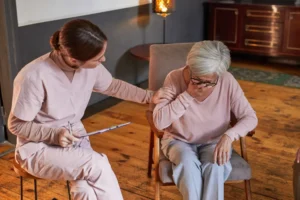

When families consider assisted living, one of their biggest worries is whether their older relatives will stay active, healthy, and socially connected. Research shows that nearly one in three seniors struggles with loneliness, but wellness programs are designed to change that.
Fortunately, today’s senior wellness programs help ease those worries. They provide older people with a variety of activities that strengthen the body, stimulate the mind, and build a foundation for healthy, happy aging.
In this guide, we’ll explore the many benefits of wellness programs for seniors in detail. That way, when you explore assisted living options for someone you care about, you can feel informed and reassured.
What is a Senior Wellness Program and Its Core Components?
Many assume these programs only mean exercise classes or occasional checkups, but they go much further. In reality, a senior wellness program is a structured initiative designed to enhance overall well-being. It takes a holistic approach to aging by combining multiple areas of health and enrichment.
Core components of wellness programs for older adults include:
- Physical health
- Mental stimulation
- Emotional balance
- Nutrition
- Spiritual growth
Physical Benefits of Wellness Programs for Senior Citizens
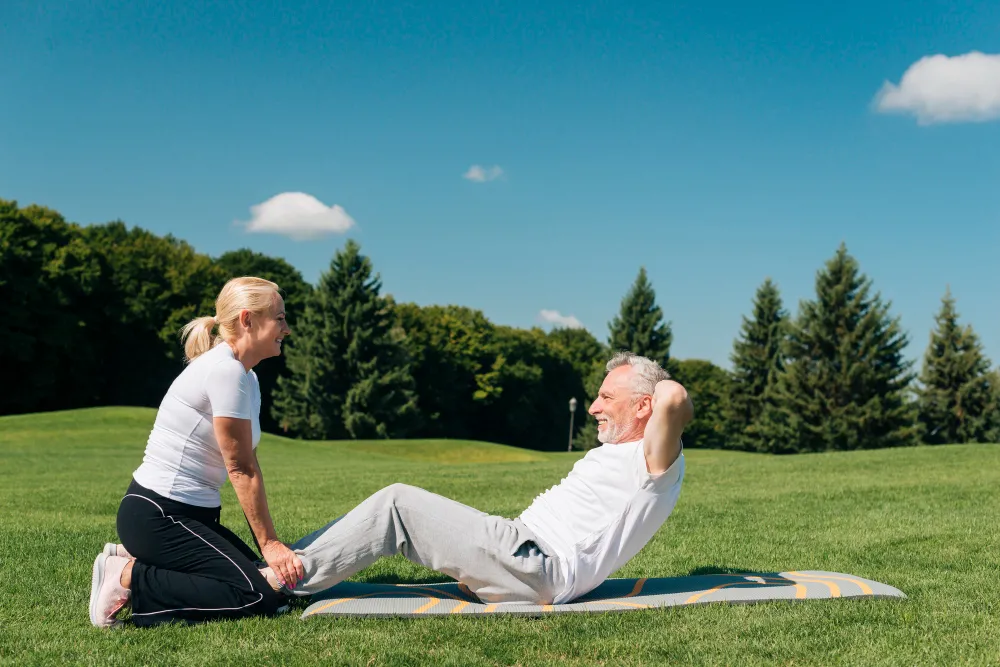
With age, staying active becomes more challenging, but it is also more important than ever. Senior wellness programs address this through targeted physical activities that improve quality of life in the following ways:
Mobility and Independence
As people age, balance and flexibility naturally decline, increasing the risk of falls. Programs often include gentle stretching, chair yoga, tai chi, and low-impact aerobics—all proven to improve stability and mobility.
Even simple activities like a walking club can make a big difference. They give seniors confidence to complete daily routines safely and independently.
Chronic Disease Management
Chronic illnesses like diabetes, arthritis, and heart disease make daily life more difficult. A wellness program gives seniors tools to manage these conditions more effectively. For example, gentle strength training can reduce arthritis stiffness, while light aerobic sessions help those with heart concerns maintain circulation and stamina. Nutrition workshops also support individuals managing blood sugar by teaching practical meal-balancing skills.
In many cases, program staff also coordinate with healthcare providers to align activities with medical advice.
Energy and Vitality
It is common for older adults to feel fatigued, yet lifestyle-based wellness can restore vitality. Group fitness classes often leave participants more energized and motivated throughout the day. Even lighter options, such as stretching or morning walks, can reduce drowsiness and increase alertness. Many seniors also enjoy dance or chair yoga, which add fun and stamina to daily living.
Preventive Health Benefits
One of the biggest strengths of a wellness program is its focus on prevention rather than reaction. With regular health screenings and nutrition planning, these programs lower the chances of hospital visits and health setbacks.
Something as simple as checking bone density or practicing balance drills can catch issues early and prevent emergencies.
Keeping the Mind Sharp
While physical health is essential, mental fitness is equally important. Wellness programs nurture cognitive function while keeping seniors engaged.
Brain Stimulation
Programs challenge the mind with games, puzzles, arts and crafts, and educational workshops. These activities stimulate memory and problem-solving while also bringing enjoyment.
Mental Clarity
Relaxation exercises and group discussions can help reduce stress. Many seniors report improved focus and better sleep after participating in structured programs, both of which strengthen brain function.
Lower Risk of Dementia
According to research, when older adults engage in cognitive and physical activities, dementia risk may drop by up to 35 percent. Memory care activities, music therapy, and social participation strengthen neural pathways and slow cognitive decline.
Emotional and Social Wellness Benefits
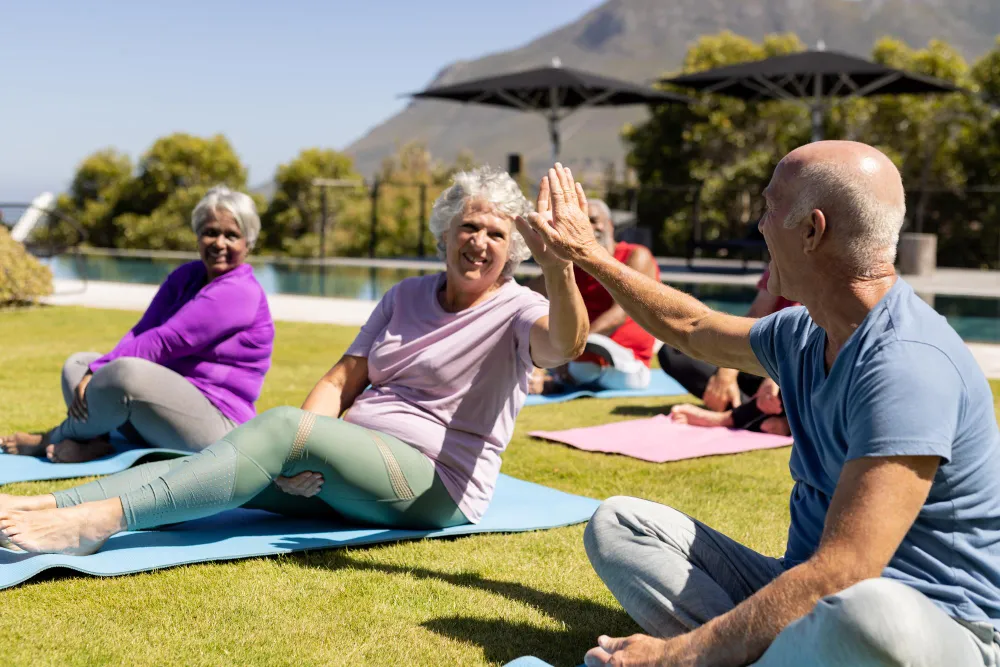
Emotional health and social connections play a critical role in overall happiness. Wellness programs build community and support emotional resilience through meaningful interaction.
Combating Loneliness
Loneliness affects nearly one in three older adults in the United States, according to the National Institute of Health.
Programs create social opportunities through group games, ice cream socials, art classes, walking clubs, and music nights—helping seniors reduce isolation and build lasting friendships.
Emotional Resilience
Seniors face many life changes, including the loss of peers or family adjustments. Participation in group activities and therapeutic programs provides a safe environment to process challenges and maintain emotional balance.
Nutritional and Lifestyle Benefits
Good nutrition is a cornerstone of wellness, and senior-focused dining programs make it easier to maintain. Many communities employ chefs who prepare balanced meals tailored to specific needs, such as low-sodium or diabetic-friendly diets.
Seniors who join wellness programs also adopt healthier routines, from staying hydrated to maintaining regular sleep schedules and enjoying daily movement.
Spiritual Benefits
Wellness programs recognize that health isn’t only physical—it’s also spiritual. Many communities offer meditation groups, prayer services, or mindfulness sessions that provide peace and purpose.
Simple practices, such as gratitude activities or quiet reflection, also help reduce anxiety and strengthen emotional well-being.
How Health and Wellness Programs Benefit Families and Caregivers
The impact of wellness programs extends far beyond seniors. Families and caregivers also feel the difference. When older adults are active and supported through structured programs, families gain peace of mind knowing their loved ones are in safe hands.
For caregivers, this relief is especially meaningful. Instead of handling every detail—meals, social events, and exercise—they can rely on trained staff to provide consistent support.
How St. Francis Villa Supports Senior Wellness Every Day
As the number one choice for families in the East Jefferson and New Orleans area, St. Francis Villa offers wellness programs that truly support seniors in a safe and home-like environment.
Residents enjoy fitness classes, arts and games, music therapy, social events, and memory care, while freshly prepared meals are tailored to individual dietary needs.
In a close-knit community of 65 residents with experienced staff, seniors thrive physically, mentally, and emotionally—while families enjoy peace of mind. If you are looking for wellness programs that enhance senior living, St. Francis Villa is the place for you.
Conclusion
Wellness programs are not just activities—they’re essential for helping seniors stay healthy, independent, and socially connected. By combining physical fitness, cognitive stimulation, and emotional support, these programs enrich daily life while giving families reassurance. If you’re exploring assisted living options, consider a community like St. Francis Villa, where wellness is built into everyday living.